Medications in Brain Injury Care

Learn how medications support brain injury recovery — seizure prevention, mood stabilization, pain control, sleep support, and cognitive improvement.
Brain injury affects how we move, think, and feel. This section explains what brain injury is, its major causes, and how it impacts daily life. Learn the key terms and distinctions that shape understanding and care.
Learn how medications support brain injury recovery — seizure prevention, mood stabilization, pain control, sleep support, and cognitive improvement.

Explore how neuropsychology and mental health care support brain injury recovery — assessments, therapy, family involvement, and long-term emotional health.

Explore how blood biomarkers, advanced imaging, and AI tools are transforming brain injury diagnosis for faster, more accurate detection.

Cognitive rehabilitation therapy helps brain injury survivors rebuild memory, attention, and problem-solving skills while adapting for long-term independence.

See how the Glasgow Coma Scale measures consciousness and classifies brain injury severity, from mild to severe, using eye, verbal, and motor responses.

A hypoxic or anoxic brain injury happens when the brain is starved of oxygen. Here is what those words mean, what it can affect, and what recovery can involve, in plain language.
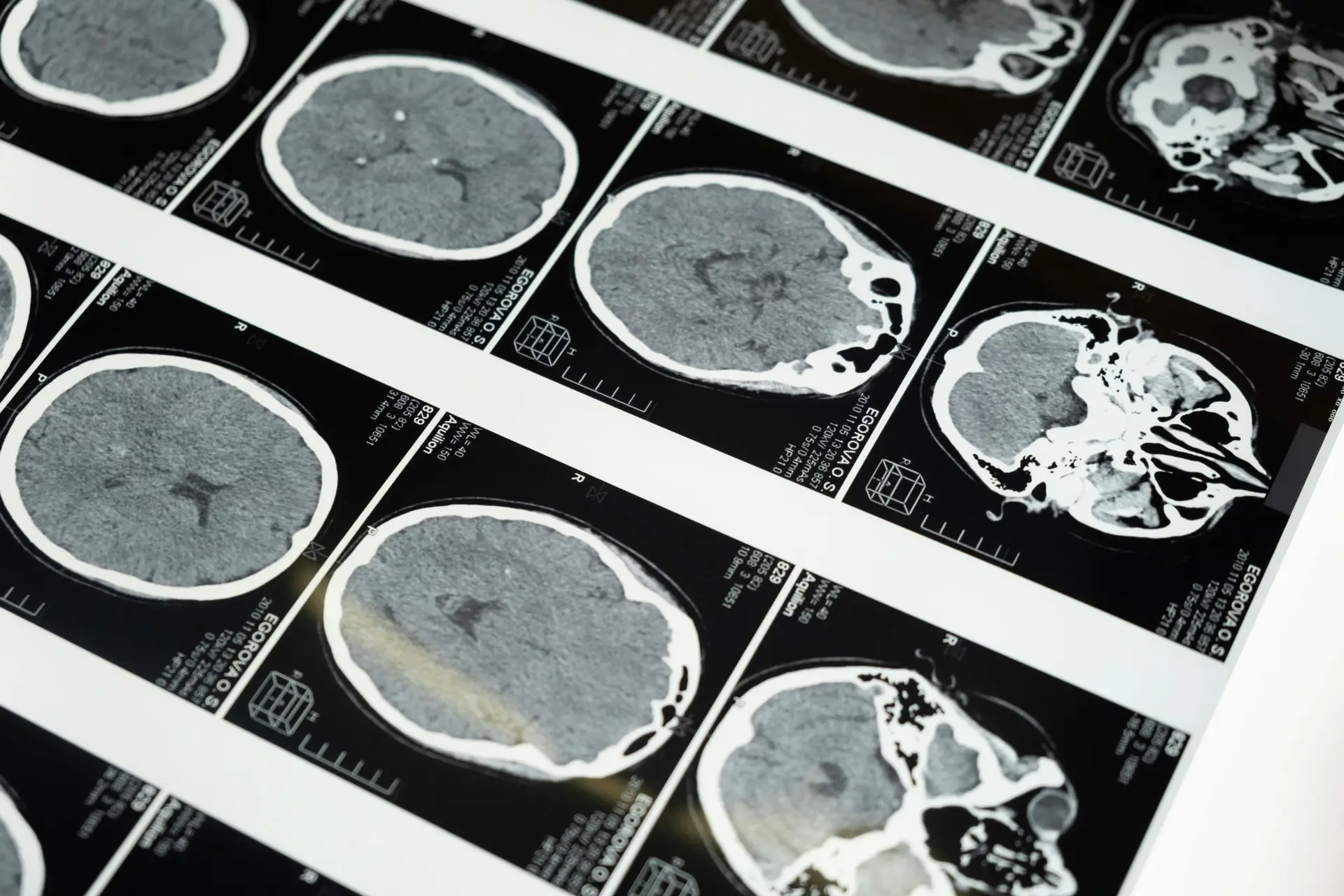
Learn what happens in an open head injury, how doctors treat skull-penetrating trauma, and what recovery and rehabilitation involve.
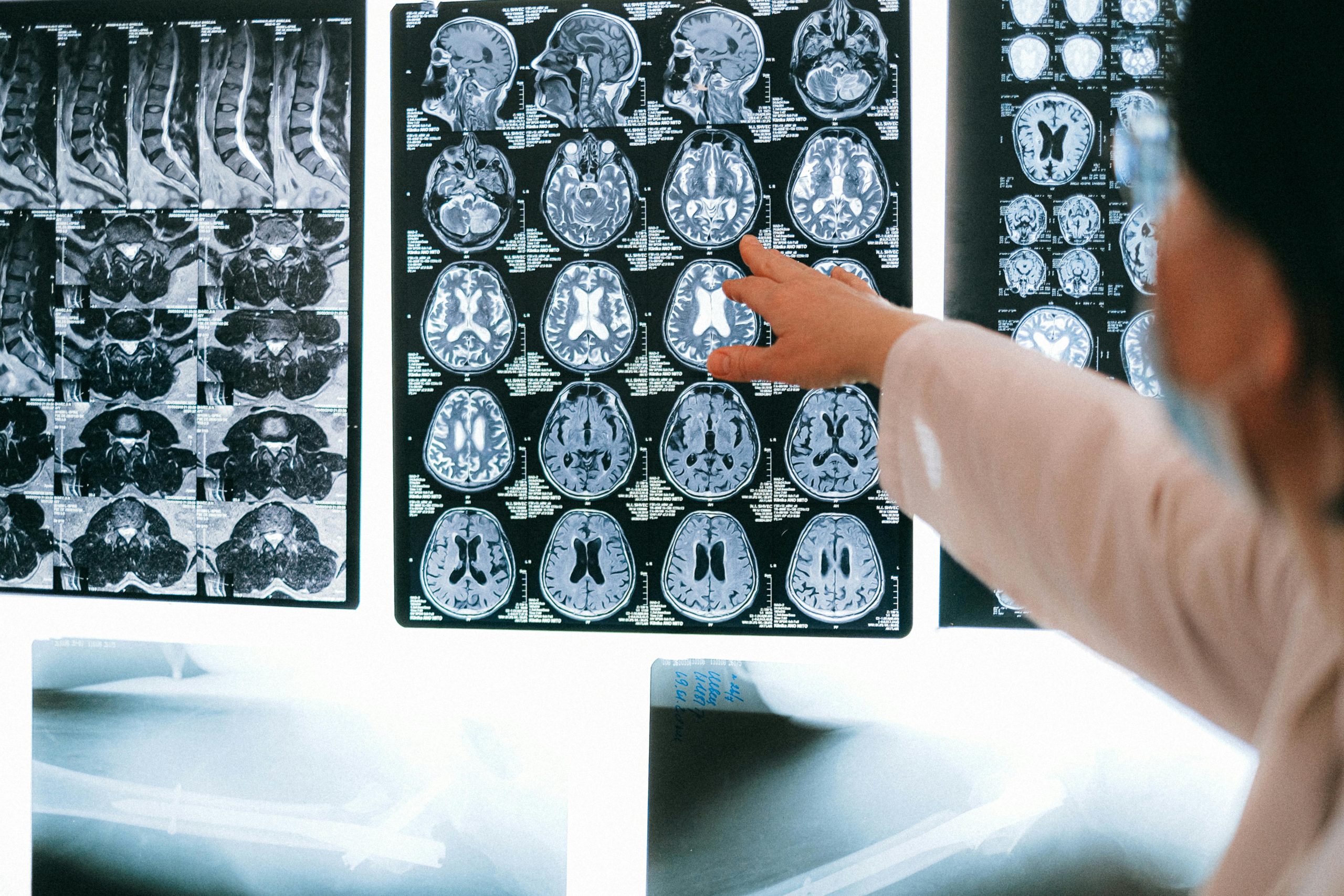
Learn how closed head injuries damage the brain without a skull fracture — causes, symptoms, treatment, and recovery steps.
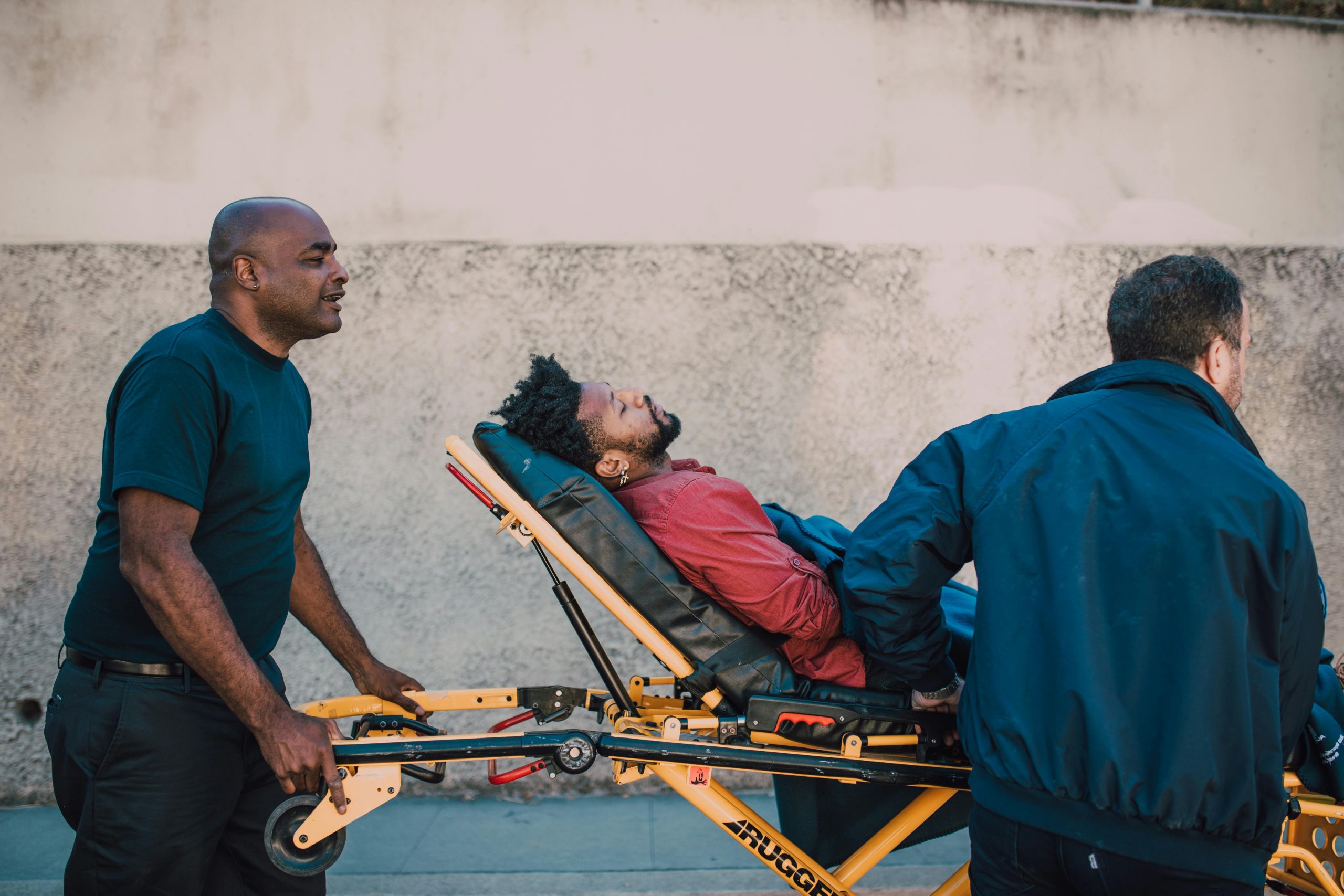
Diffuse axonal injury is one of the more serious kinds of brain injury, and the name alone can be frightening. Here is what it means, why it happens, and what recovery can involve, in plain language.
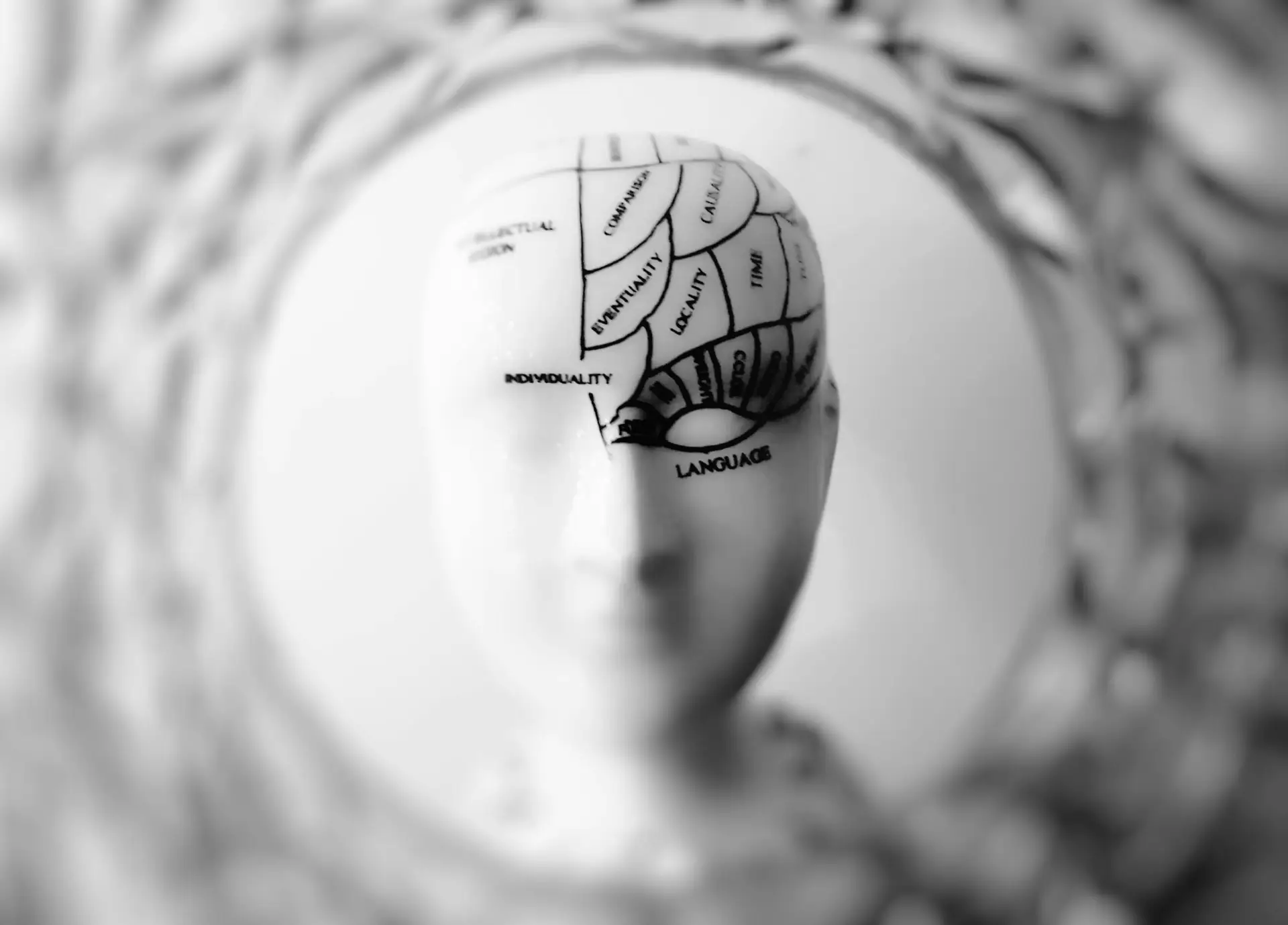
After a brain injury, you hear a lot of brain terms. This simple map of the brain’s main regions, and what each one does, helps those words make sense and helps you understand the effects you may be seeing.