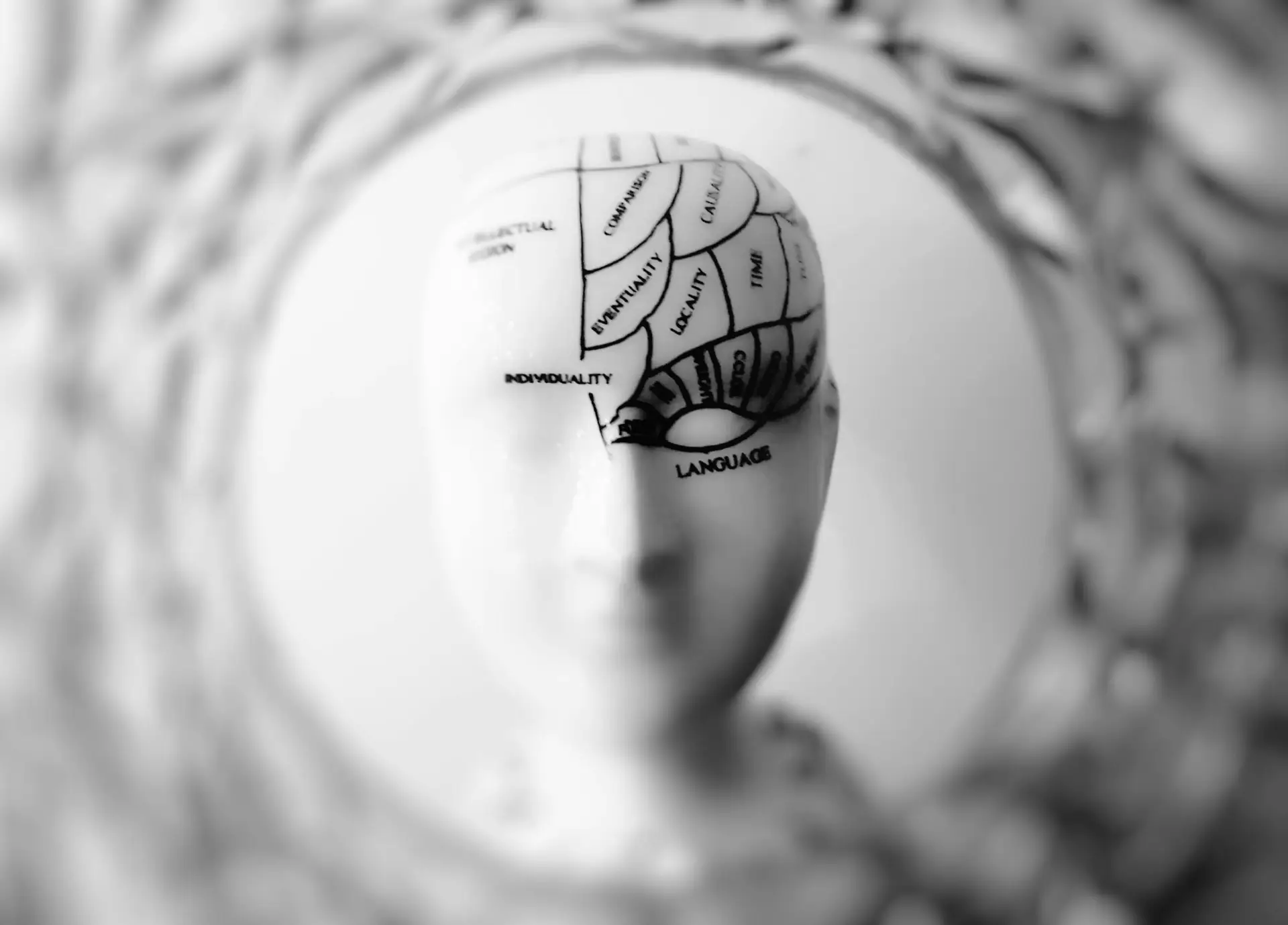
After a brain injury, you suddenly hear a lot of new words: frontal lobe, brainstem, hippocampus. It can feel like a foreign language at the worst possible time. A simple map of the brain makes those words easier to follow, and it helps explain why the effects of an injury are what they are, because different parts of the brain do different jobs.
This is a plain-language overview, here for orientation, not to interpret a particular injury. What any of this means for you or your loved one is a question for the care team, who can see the whole picture.
Key takeaways
- Different parts of the brain do different jobs, so where an injury is shapes its effects.
- The cerebrum (thinking and personality), cerebellum (balance), and brainstem (life support) are the main regions.
- No part works alone. The brain is a connected network, which is part of why effects can be broad.
- The brain can adapt and rewire over time, which is what rehabilitation builds on.
The big picture
The brain weighs only about three pounds, yet it runs everything: your thoughts, movements, senses, memories, feelings, and the automatic things like breathing. It uses a large share of the body’s oxygen and blood supply to do it. It is often described in separate regions, which is helpful for learning, but in reality they are deeply connected and constantly working together. That connectedness is part of why an injury in one place can affect several things at once.
The cerebrum and its four lobes
The cerebrum is the large, wrinkled top part of the brain, and it handles most of what we think of as “thinking.” It is divided into four areas, called lobes, each leaning toward certain jobs:
- ›Frontal lobe (front): planning, decisions, impulse control, personality, and movement. Injury here can change behavior and executive skills. Our guide on frontal lobe damage goes deeper.
- ›Parietal lobe (top, behind the frontal): touch, and making sense of where your body is in space.
- ›Temporal lobe (sides, near the ears): hearing, language, and memory.
- ›Occipital lobe (back): vision and making sense of what you see.
The cerebellum
Tucked underneath the back of the brain, the cerebellum fine-tunes movement, keeping it smooth, coordinated, and balanced. When it is affected, a person may have trouble with balance, coordination, or steady, precise movements, even if their strength is fine.
The brainstem
The brainstem connects the brain to the spinal cord and controls the body’s most basic life-support functions: breathing, heart rate, blood pressure, and levels of alertness. Because it manages such essential jobs, injuries involving the brainstem are among the most serious, and it is closely tied to consciousness, which is one reason the care team watches it so carefully.
The deep structures for memory and emotion
Beneath the cerebrum sit smaller structures that have an outsized role in memory and feelings, often grouped together as the limbic system. Two you may hear named are the hippocampus, which is central to forming new memories, and the amygdala, which is involved in emotions. These areas help explain why memory and mood are so often affected after a brain injury.
The two sides of the brain
The cerebrum has a left and a right half, called hemispheres, connected by a bridge of fibers. In most people, language leans on the left side, while the right tends to handle spatial awareness and some aspects of attention. Broadly, each side controls movement and sensation on the opposite side of the body, which is why an injury can affect one side more than the other.
Why location and severity shape the effects
Putting this together explains something families often ask: why does one person’s brain injury look so different from another’s? Because the effects depend heavily on where the brain was injured and how badly. An injury to the back of the brain may affect vision, one toward the front may affect behavior, and a widespread injury may touch many things at once. This is also why the same label can lead to very different experiences.
The brain’s ability to adapt
Here is the hopeful part. The brain is not fixed. It has a remarkable ability to reorganise and form new connections, called neuroplasticity, and it is what recovery and rehabilitation build on. Therapies work by practising skills in ways that encourage the brain to relearn or find new paths. How much this helps varies from person to person, but it is a real and important part of why recovery is possible.
Common questions
Which part of the brain controls memory?
Memory involves several areas working together, but the hippocampus, a deep structure, is especially important for forming new memories, and the temporal lobes play a role too. That is part of why memory is one of the most commonly affected abilities after a brain injury.
Why does a brain injury in one spot affect several things?
Because the brain is a connected network, not a set of separate switches. Regions constantly work together, so an injury in one area can ripple into others. It is one reason effects can be broader than you might expect from the location alone.
What does neuroplasticity mean?
It is the brain’s ability to change, reorganise, and form new connections. After an injury, this is what allows some functions to be relearned or taken over by other areas over time. Rehabilitation is designed to encourage it.
Does understanding the anatomy help me?
It can. Knowing roughly what each region does often makes the care team’s explanations easier to follow, and helps some of the changes you are seeing feel less baffling. It is orientation, though, not a substitute for what the team can tell you about a specific injury.