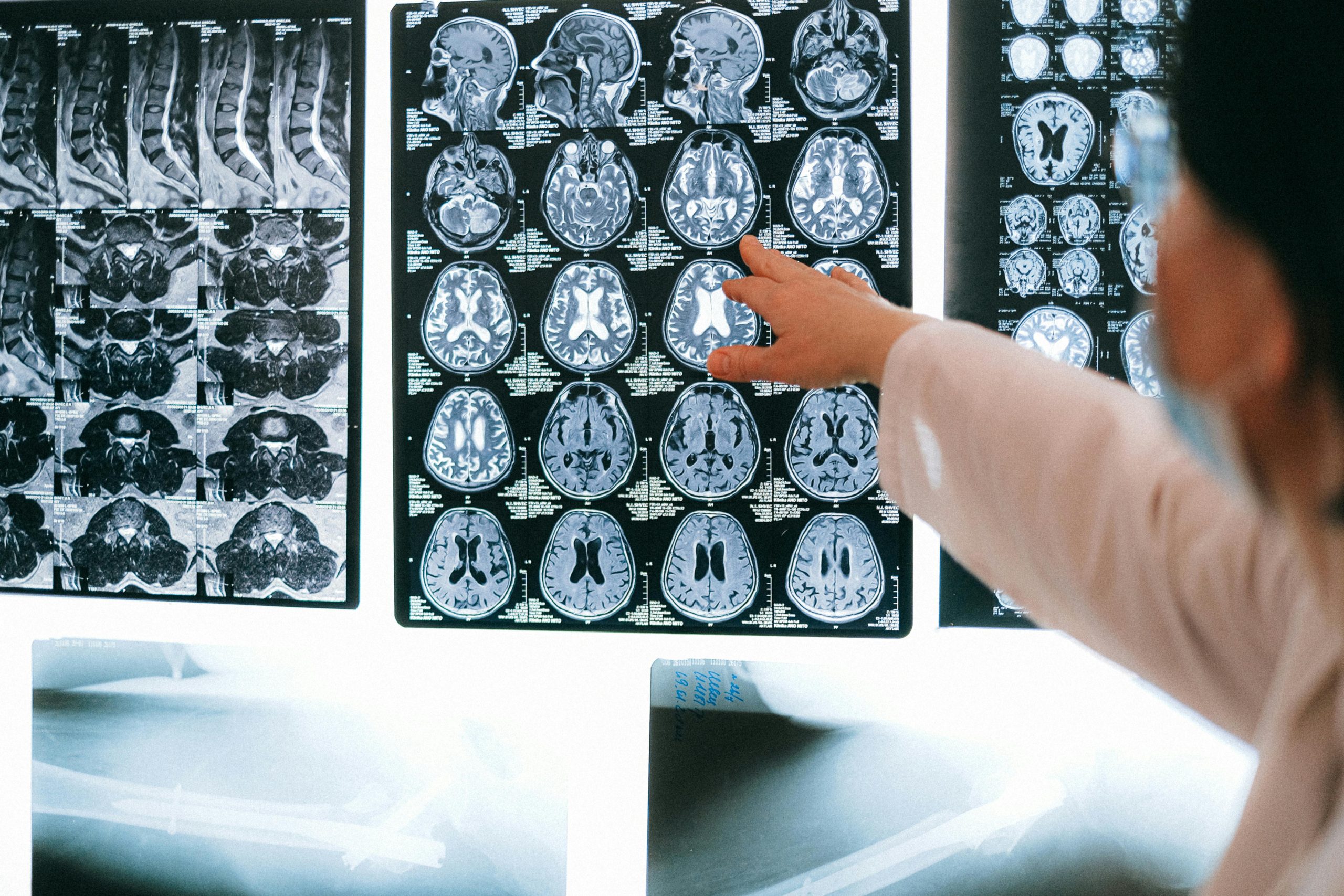
If you are here, a brain injury has probably touched your life or someone you love, and you are trying to make sense of how it happened. Understanding the cause will not change what has already occurred, but it can make the situation a little less bewildering, and it can help the words the care team uses start to fit together.
This is a plain-language overview of how brain injuries happen, here for orientation, not to interpret a particular case. What caused a specific injury, and what it means, is a question for the care team, who can see the whole picture.
Key takeaways
- Brain injuries fall into two broad groups: traumatic (from an outside force) and non-traumatic, or acquired (from something inside the body).
- Falls are the leading cause of traumatic brain injury, especially among young children and older adults.
- Some of the damage comes later, as secondary injury, which is much of what the hospital team works to limit.
- Knowing the cause is about understanding, not about blame. Many injuries happen in an ordinary moment.
The two main pathways
Almost every brain injury reaches the brain by one of two routes, and it helps to hold them apart, because they explain a lot of the language you will hear:
- ›Traumatic brain injury (TBI): caused by an outside force, such as a blow, a bump, a jolt, or something piercing the skull. A fall or a crash is a traumatic injury.
- ›Non-traumatic, or acquired, brain injury (ABI): caused by something that happens inside the body rather than an outside force, such as a stroke, a lack of oxygen, an infection, or a tumor.
You may notice the term “acquired brain injury” used in two ways. Some people use it as an umbrella for any injury that happens after birth, including traumatic ones. Others use it, as we do here, to mean the non-traumatic causes specifically. Either way, the useful distinction is force from outside versus damage from within.
Traumatic causes: when force meets the brain
Traumatic brain injuries happen when an outside force damages the brain, either by moving it sharply inside the skull or, less often, by piercing it. The most common causes are:
- ›Falls: the leading cause overall, and especially common in young children and older adults. A fall at home is one of the most ordinary ways a serious injury happens.
- ›Motor vehicle crashes: cars, motorcycles, bicycles, and pedestrians struck by vehicles. The sudden stop can move the brain violently even without a direct blow.
- ›Being struck by or against something: including sports and recreation injuries, and everyday accidents like walking into an object or being hit by one.
- ›Assaults and violence: including gunshot wounds, which are a leading cause of injury-related death.
- ›Blasts: a common cause among active-duty service members.
The same event can injure the brain in more than one way. A rapid twisting or back-and-forth motion, for example, can stretch and tear the brain’s wiring, which our guide on diffuse axonal injury explains. How the force reaches the brain is part of why two injuries with the same cause can look so different.
Non-traumatic (acquired) causes: damage from within
Not every brain injury comes from a blow. Sometimes the brain is harmed by something happening inside the body, with no outside force at all. Common non-traumatic causes include:
- ›Stroke: when blood flow to part of the brain is blocked or a vessel bleeds, so that area is starved of blood and oxygen. Stroke is one of the most common causes of acquired brain injury.
- ›Lack of oxygen: from a cardiac arrest, near-drowning, choking, or other causes, which can lead to a hypoxic or anoxic brain injury.
- ›Infections: such as meningitis or encephalitis, which can inflame the brain or its surrounding tissue.
- ›Tumors: which can damage brain tissue directly or through the pressure they create.
- ›Toxins and metabolic problems: including poisoning, and severe imbalances in the body’s chemistry that affect the brain.
The Brain Injury Association of America has a helpful overview of how these acquired causes differ from traumatic ones.
Secondary injury: the damage that comes later
One of the harder things to learn is that the injury is not always over once the initial event has passed. Doctors describe two stages. The primary injury is the damage done at the moment it happens, the fall, the crash, the loss of oxygen. The secondary injury is harm that unfolds over the hours and days afterward, as the brain reacts.
Secondary injury can include swelling, bleeding, raised pressure inside the skull, and changes in blood flow and oxygen, each of which can harm brain tissue further. This is why so much of the early hospital care can look like watching and waiting: much of what the team does in intensive care is aimed at limiting secondary injury, giving the brain the best conditions to recover. Our guide on moderate and severe brain injury looks more closely at this early stage, and the first days after a brain injury walks families through the ICU.
Who is most at risk
A brain injury can happen to anyone, at any age. That said, some patterns show up in the data. Falls affect the very young and older adults most, which is why the two ends of life carry a large share of injuries. Older adults are especially vulnerable, both to falls and to more serious outcomes. Young people and men see higher rates of injuries from crashes, sports, and assaults. And certain groups, such as service members, face particular risks like blast injuries.
None of this is about fault. Risk patterns describe groups, not the reasons any one person was hurt. Most injuries happen in a single ordinary moment that no one saw coming.
How many are prevented
If a brain injury has already happened to you or someone you love, a section on prevention can be painful to read, and none of it is meant as second-guessing. It is here because many injuries are preventable, and because families often want to protect the people still around them. A few of the most effective steps:
- ›Preventing falls at home, especially for older adults: grab bars, good lighting, removing trip hazards, and a doctor’s review of medications and balance.
- ›Seat belts and car seats, used correctly and suited to a child’s age and size.
- ›Helmets for cycling, motorcycling, skiing, contact sports, and similar activities.
- ›Taking concussions seriously, so that someone recovers fully before returning to sport or activity.
These reduce risk. They do not carry blame for the injuries they could not have stopped.
Common questions
What is the most common cause of brain injury?
For traumatic brain injuries, falls are the leading cause overall, and they affect young children and older adults most. Motor vehicle crashes and being struck by or against an object are also common. Among non-traumatic causes, stroke is one of the most frequent.
What is the difference between a traumatic and an acquired brain injury?
A traumatic brain injury is caused by an outside force, such as a blow or a fall. An acquired, or non-traumatic, brain injury comes from something inside the body, such as a stroke, a lack of oxygen, an infection, or a tumor. The distinction is force from outside versus damage from within. You may also see “acquired” used more broadly to mean any injury after birth.
Can a brain injury happen without hitting your head?
Yes. A rapid movement of the head can injure the brain even without a direct blow, because the brain moves inside the skull. And non-traumatic injuries, such as those from stroke or a lack of oxygen, involve no outside force at all.
Does knowing the cause change the treatment?
It can, because traumatic and non-traumatic injuries are managed differently in their early stages. But once someone is stable, rehabilitation follows many of the same principles regardless of cause. The care team tailors treatment to the person and the specific injury, not the label alone.