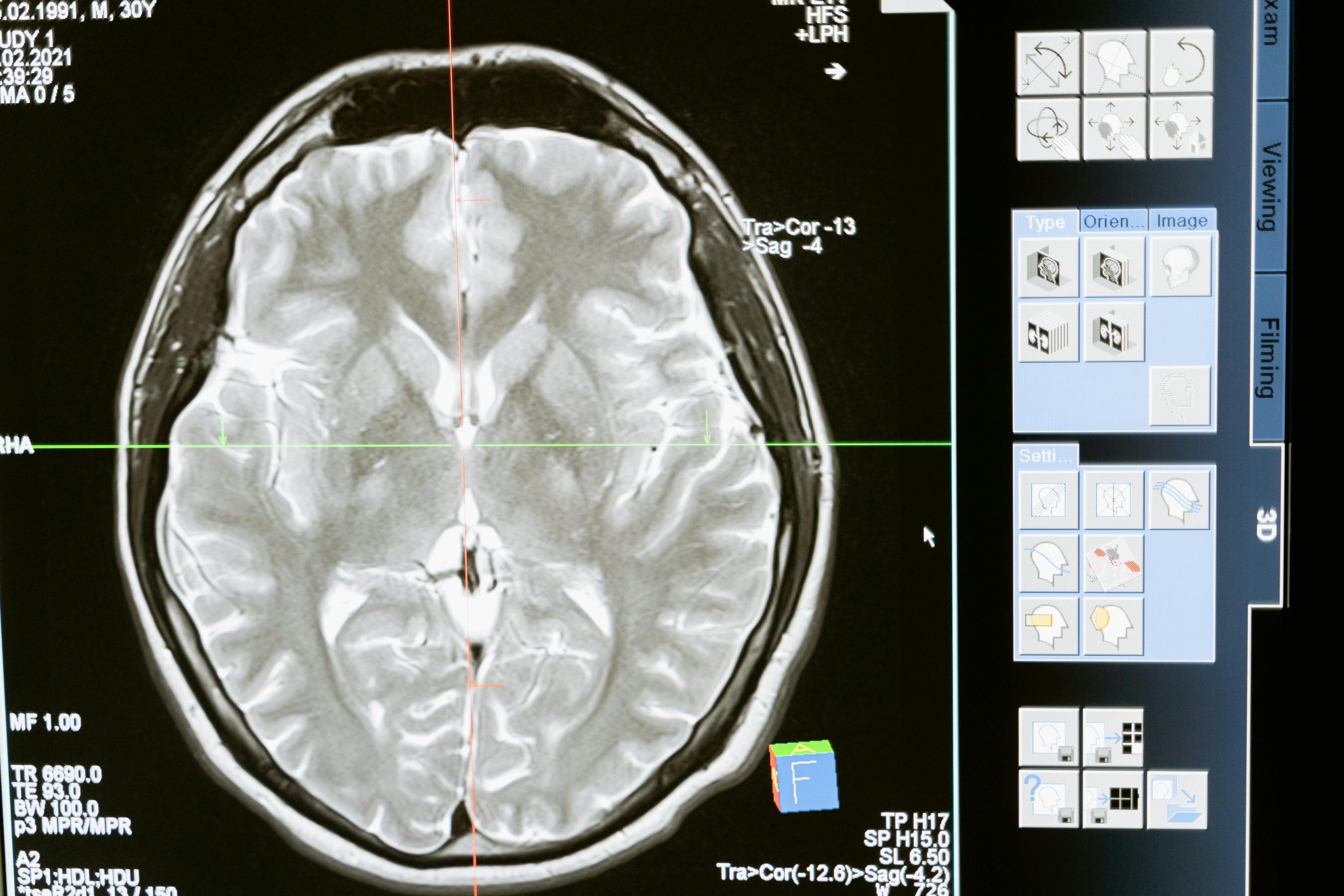
Hearing that someone you love has a “moderate” or “severe” brain injury is frightening, and the words themselves can be confusing. What do they actually mean? What happens next? This guide explains those terms in plain language and walks through what the days, weeks, and months often look like.
It is here for orientation, not to tell you what will happen in your particular situation. Every brain injury is different, and for anything specific, the care team looking after your loved one is the right source.
Key takeaways
- “Moderate” and “severe” describe how the injury looked early on, not the final outcome.
- They are judged by things like time unconscious, memory gaps, and the Glasgow Coma Scale.
- Recovery is usually a long, uneven road, and rehabilitation is a central part of it.
- Two people with the same label can recover very differently. A label is not a forecast.
What “moderate” and “severe” mean
Doctors group brain injuries by how they looked in the early hours and days, mainly using three things: how long the person lost consciousness, how long they had a gap in memory around the event (called post-traumatic amnesia), and their score on the Glasgow Coma Scale, a measure of how awake and responsive they are.
- ›Moderate: loss of consciousness of roughly 30 minutes to 24 hours, memory gaps of about 1 to 7 days, and a Glasgow Coma Scale score around 9 to 12.
- ›Severe: loss of consciousness longer than 24 hours, memory gaps beyond 7 days, and a Glasgow Coma Scale score of 8 or below.
These are general guides, not exact cut-offs, and the team weighs them alongside scans and other findings. Importantly, they describe the injury at a moment in time. They are a starting point, not a prediction of how someone will recover.
What causes them
Moderate and severe brain injuries usually follow a significant force to the head. The most common causes include:
- ›Falls, especially from a height or among older adults.
- ›Motor vehicle and cycling crashes.
- ›Assaults and violence, including gunshot wounds.
- ›Sports and recreation, particularly high-impact activities.
- ›Blasts and combat injuries among service members.
The effects people may notice
A moderate or severe injury can affect the body, thinking, and emotions, and which effects appear depends on where and how badly the brain was hurt. Some are obvious early on; others become clearer over time. Common ones include:
- ›Physical: headaches, fatigue, sleep changes, dizziness, weakness, or changes in movement, vision, or speech. Seizures are possible.
- ›Thinking: problems with memory, attention, planning, and processing speed.
- ›Emotions and behavior: mood swings, irritability, anxiety, low mood, or reduced awareness of one’s own difficulties.
Our guide on common changes after a brain injury looks at these in more detail, and at what can help.
The early hospital stage
In the first hours and days, the medical team’s focus is on keeping the person stable and preventing further injury, often in an emergency department and then an intensive care unit. Much of this stage is careful monitoring, because the brain can swell in response to injury. It can look intense, with tubes, monitors, and alarms, but most of what you see is routine equipment that lets the team watch closely and respond quickly. Our guide on the first days after a brain injury walks families through this stage.
Rehabilitation and the recovery team
As someone stabilizes, care usually shifts from the intensive early stage toward rehabilitation, which is central to recovery after a moderate or severe injury. Rehabilitation is delivered by a team, and it helps to know who does what:
- ›Physiatrist: a doctor who leads and coordinates rehabilitation.
- ›Physical therapist: works on movement, strength, and balance.
- ›Occupational therapist: helps rebuild daily activities and independence.
- ›Speech and language therapist: supports communication, and sometimes swallowing and thinking skills.
- ›Neuropsychologist: assesses and supports memory, thinking, and emotional changes.
Rehabilitation can happen in a hospital, a dedicated rehab facility, or at home over time, depending on the person’s needs.
What recovery can look like
Recovery after a moderate or severe brain injury is usually measured in months and years rather than days, and it rarely follows a straight line. Progress often comes in small, uneven steps, with better days and harder ones. After a severe injury, the earliest stage may include a gradual return of consciousness and awareness before other recovery begins.
Many things influence how someone recovers, including the nature of the injury, their age and health, and the support around them. Because so much varies, the care team is the best source for what to expect, and it is wise to be cautious about timelines you read online.
Possible complications to be aware of
Most of recovery is steady work, but the team also watches for complications that can occur after a more serious injury, so they can act early. These can include seizures or post-traumatic epilepsy, a build-up of fluid in the brain (hydrocephalus), and infections. You do not need to monitor for these yourself. Your role is to share anything new you notice, and the team will explain what they are watching for.
How to support someone through it
If you are caring for someone with a moderate or severe injury, your presence matters more than you may realise, even in the quiet early days. Practical things help too: keep a notebook of questions and updates, choose one person to be the main point of contact with the hospital, and ask the team to explain anything in plain language as often as you need.
Looking after yourself is part of caring for them, not a distraction from it. Our guides for families and for caregivers go further into supporting a loved one while protecting your own wellbeing.
Common questions
Does a severe injury mean a poor recovery?
Not necessarily. Severity describes the injury in its early stage, not the final outcome. People with severe injuries can make meaningful recoveries, and people with the same label can end up in very different places. The care team, who know the full picture, are the right source for what to expect.
How long does recovery take?
Usually a long time, often months to years, and progress is uneven. The fastest changes tend to come earlier, but improvement can continue for a long while, especially with rehabilitation. There is no single timeline, and comparing to others rarely helps.
What is post-traumatic amnesia?
It is a period after the injury when a person struggles to form new memories and may be confused or disoriented. How long it lasts is one of the things doctors use to gauge severity. It usually settles as the brain recovers, though the events during it may not be remembered.
Will they be “back to normal”?
Some people recover close to how they were, while others live with lasting changes and find new ways of doing things. Rehabilitation aims to help each person reach their best possible recovery and quality of life. What that looks like is different for everyone, and the team can help you understand it for your situation.