Coping With the Waiting
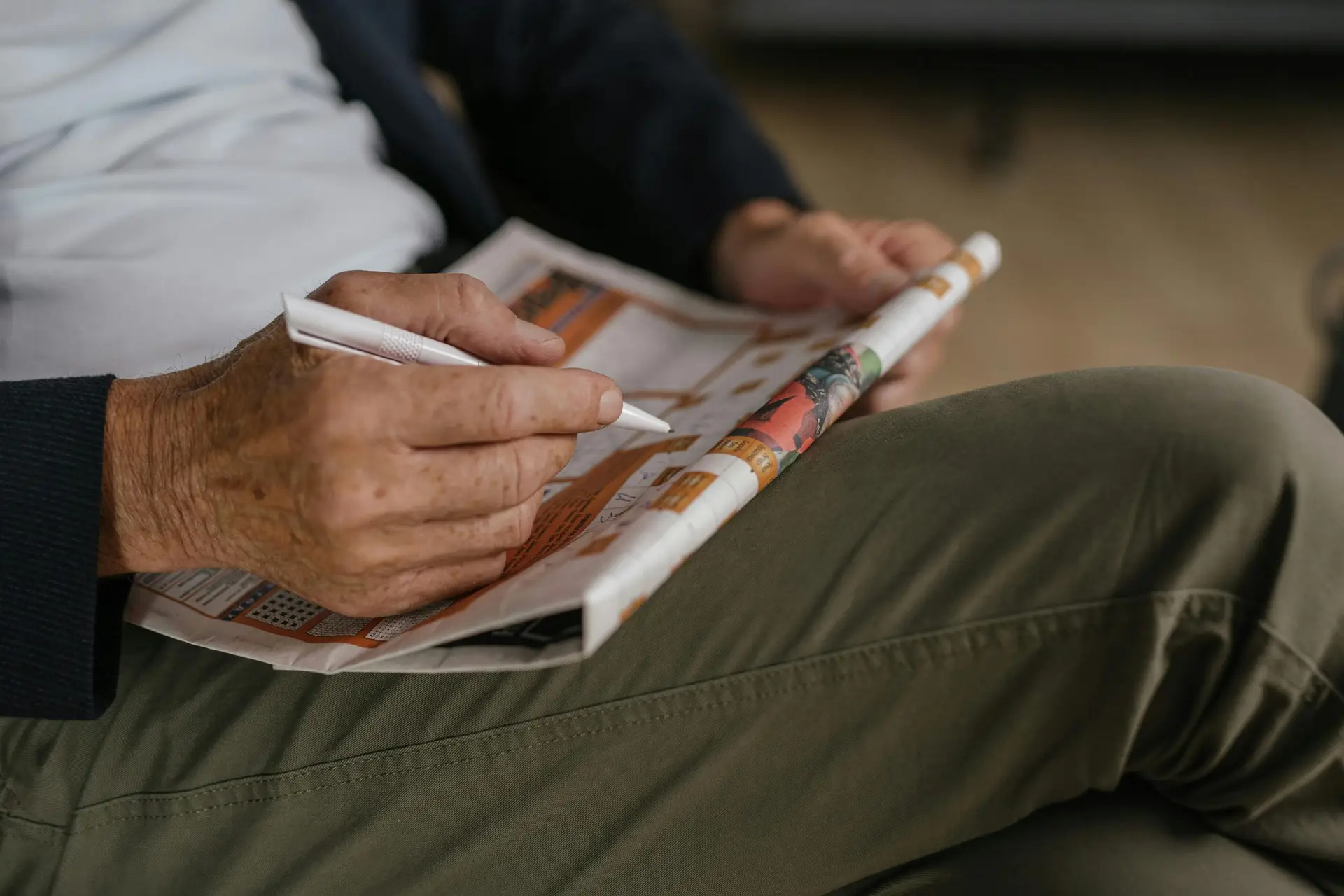
After a brain injury, some of the hardest days are the ones spent waiting, not knowing what will happen. Here is why uncertainty is so hard, and gentle ways to carry it.
Families play a vital role in recovery. Here you’ll find guidance on caregiving, communication, managing stress, and building sustainable routines that support both survivor and caregiver well-being.
After a brain injury, some of the hardest days are the ones spent waiting, not knowing what will happen. Here is why uncertainty is so hard, and gentle ways to carry it.
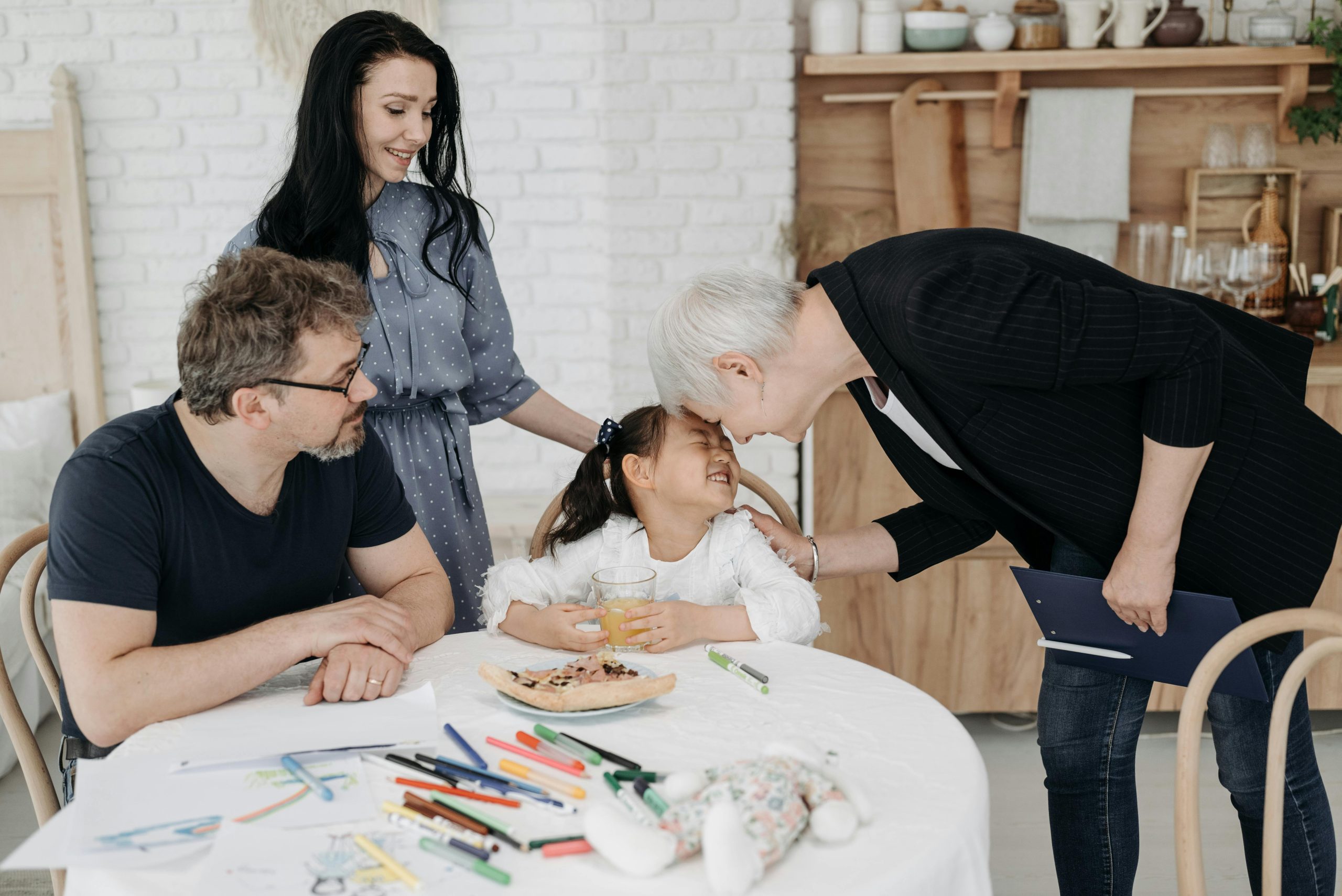
After a brain injury, sharing the news with the people around you is its own hard task. Here is how to do it at your own pace, protect your energy, and turn concern into real help.
When you are caring for someone with a brain injury, it is easy to put yourself last. But looking after yourself is not a luxury. It is the foundation everything else rests on.
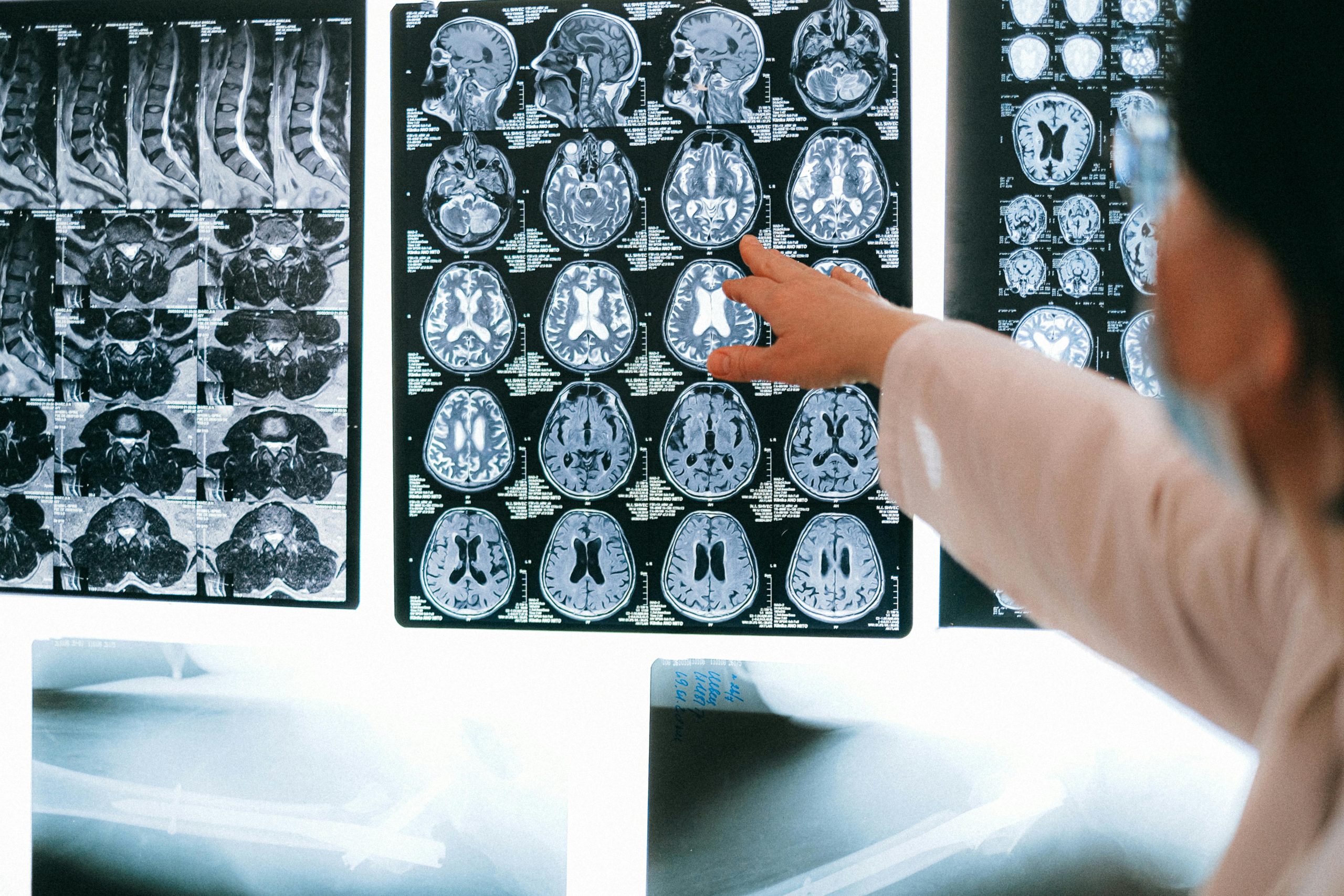
Sitting beside a loved one who is sedated is one of the hardest parts of a brain injury. Here is what sedation is, why it is used, whether they can hear you, and how to be with them, in plain language.

When a loved one has a brain injury, it is hard to know what to ask. Here is a plain-language set of questions for each stage, from the hospital to going home, that you can keep and use.
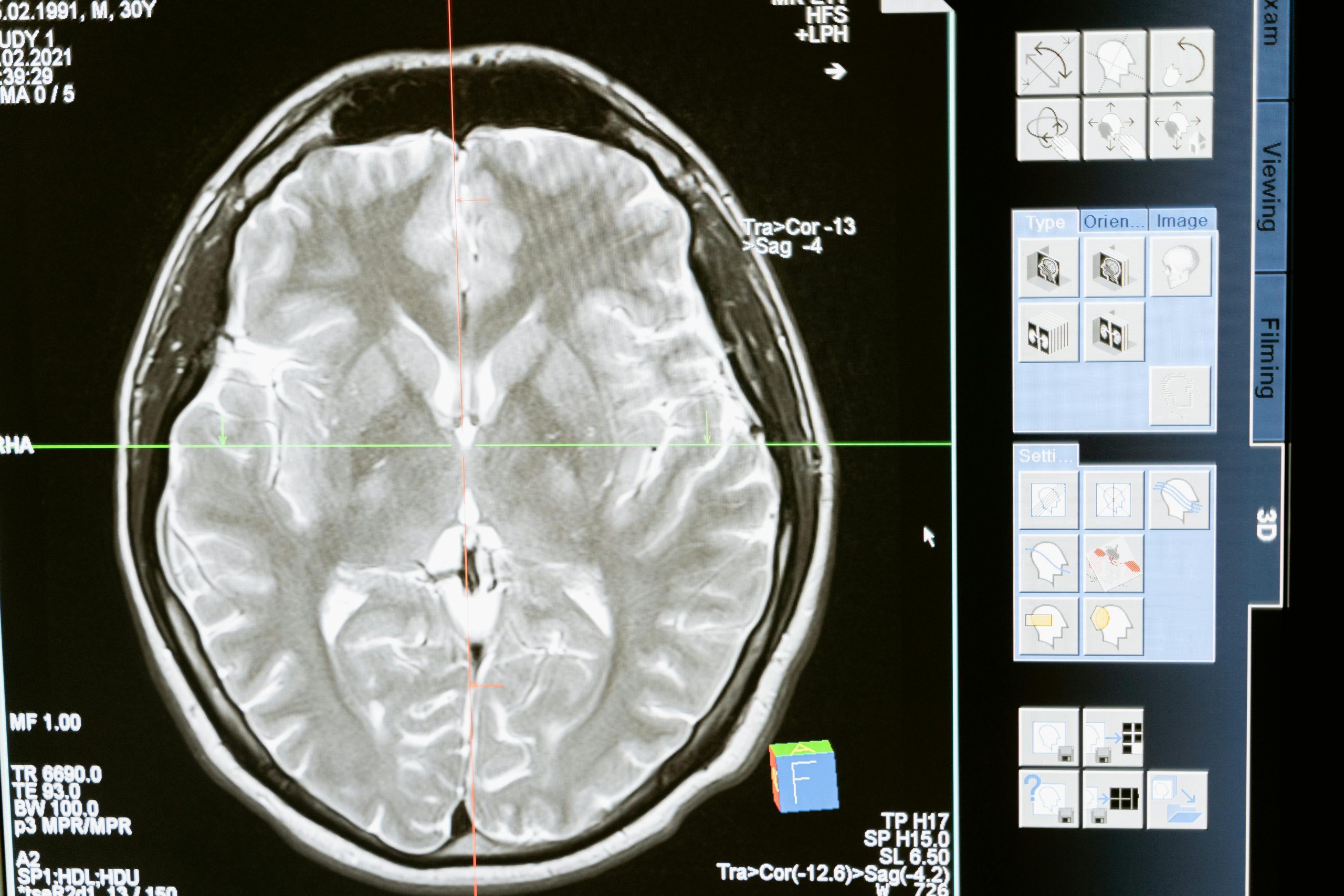
When a loved one is in intensive care after a brain injury, the ICU can feel like a world of its own. Here is how it works, how to get information, and how to be a steady presence, in plain language.
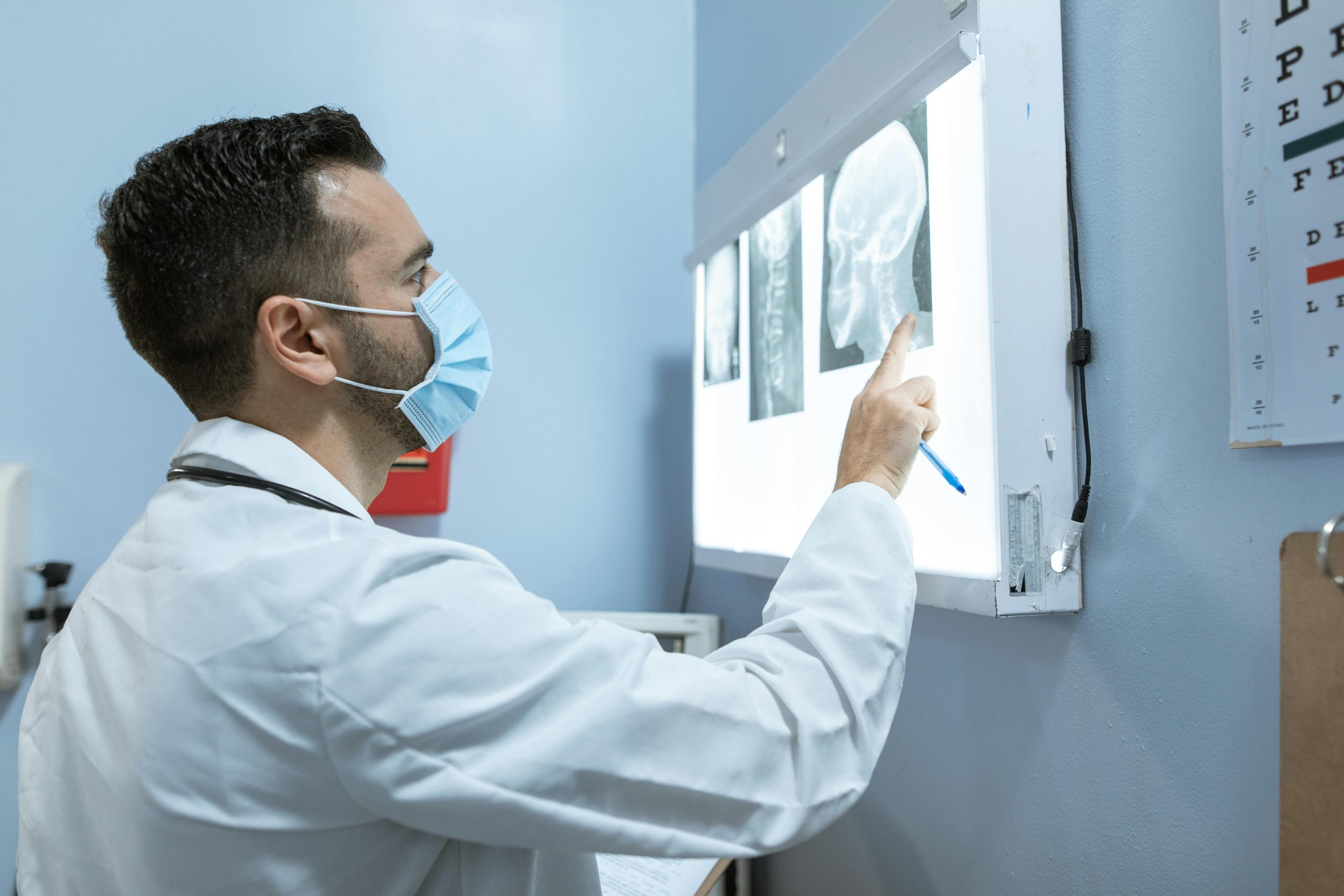
The first days after a serious brain injury are frightening and disorienting. This guide walks you through the ICU, the machines, the words you will hear, and the practical things that help, in plain language.