Finding Support

You do not have to do this alone. Here is a guide to the kinds of support out there for caregivers, from support groups to respite, and how to find them.
Ongoing research continues to reshape how brain injury is understood and treated. This section highlights breakthroughs in neurorehabilitation, imaging, medication, and technology that improve recovery outcomes. Stay informed on the latest studies and innovations shaping the future of brain injury care.
You do not have to do this alone. Here is a guide to the kinds of support out there for caregivers, from support groups to respite, and how to find them.

Accepting help is one of the hardest and most important parts of caregiving. Here is why it is so hard, and how to let people in and organize the support you need.

Caregiver burnout is real, common, and preventable. Here is how to spot the signs early, protect yourself, and know when to reach out for more help.

Changes in communication and memory are common after a brain injury, and they affect both of you. Here are practical, kind ways to help day to day.

The admin of caregiving, appointments, records, medications, and insurance, is a real job in itself. Here is how to get organized and keep it manageable.

A steady daily routine is one of the most powerful tools in recovery. Here is how to build one together, balance activity and rest, and keep it flexible.
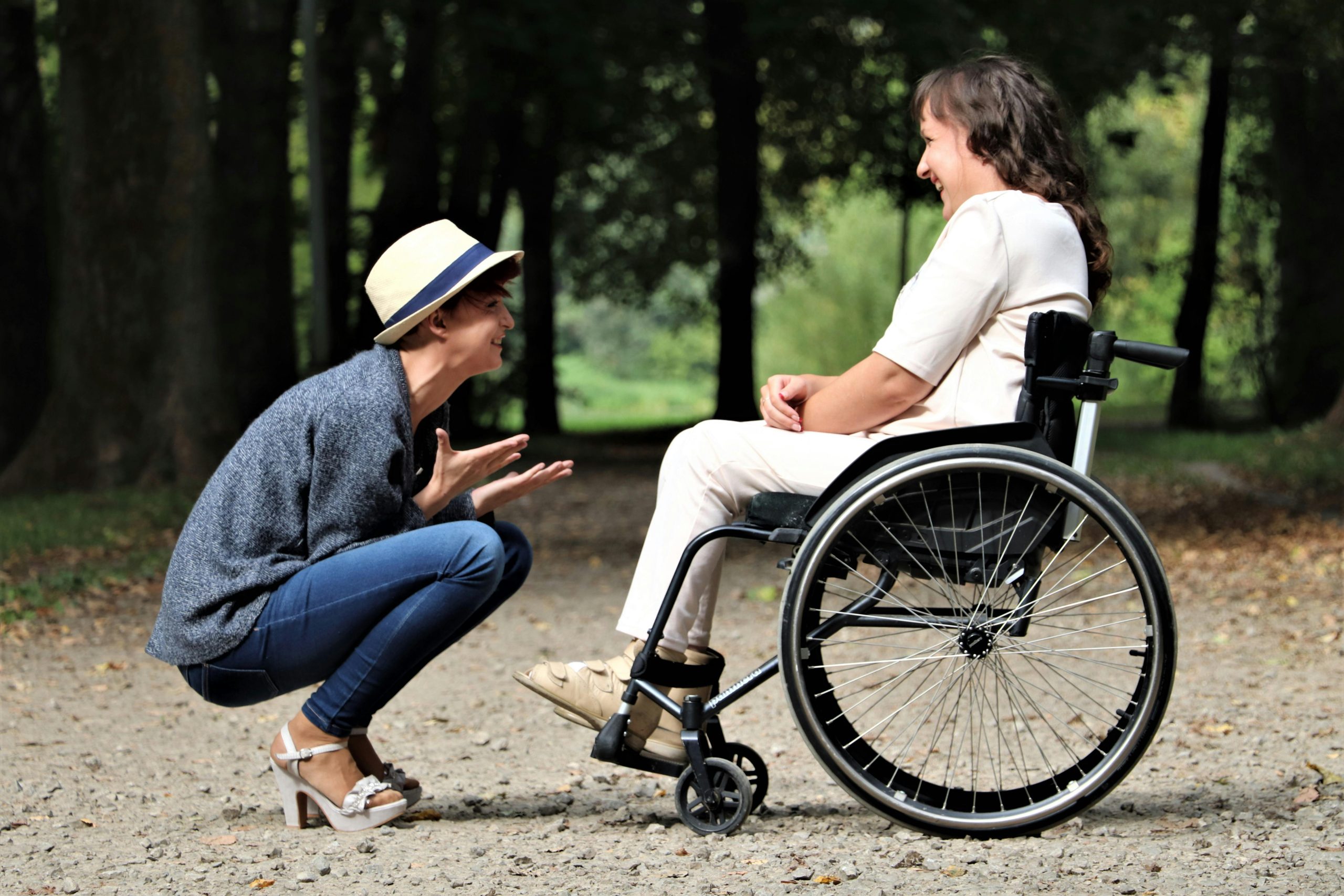
You are part of your loved one’s care team, not a bystander. Here is who does what, how to communicate well, and how to advocate and plan together.
A few thoughtful changes at home can make daily life safer and calmer after a brain injury. Here is how to set up the space and support your loved one, without taking over.

Caring for someone with a brain injury can mean many different things, and it changes over time. Here is an honest overview of what the role involves, and where to find help with each part.

When a loved one first comes home, the early weeks of caregiving can feel overwhelming. Here is what to expect, what to sort out, and how to steady yourself in the first month.