Brain Injury by the Numbers

Brain injury is far more common than most people realize. Here is a plain-language look at the numbers, what they tell us, and, just as importantly, what they cannot tell you about one person’s recovery.
 Sofia Ramirez
Brain injury is far more common than most people realize. Here is a plain-language look at the numbers, what they tell us, and, just as importantly, what they cannot tell you about one person’s recovery.

Learn how medications support brain injury recovery — seizure prevention, mood stabilization, pain control, sleep support, and cognitive improvement.

See how the Glasgow Coma Scale measures consciousness and classifies brain injury severity, from mild to severe, using eye, verbal, and motor responses.
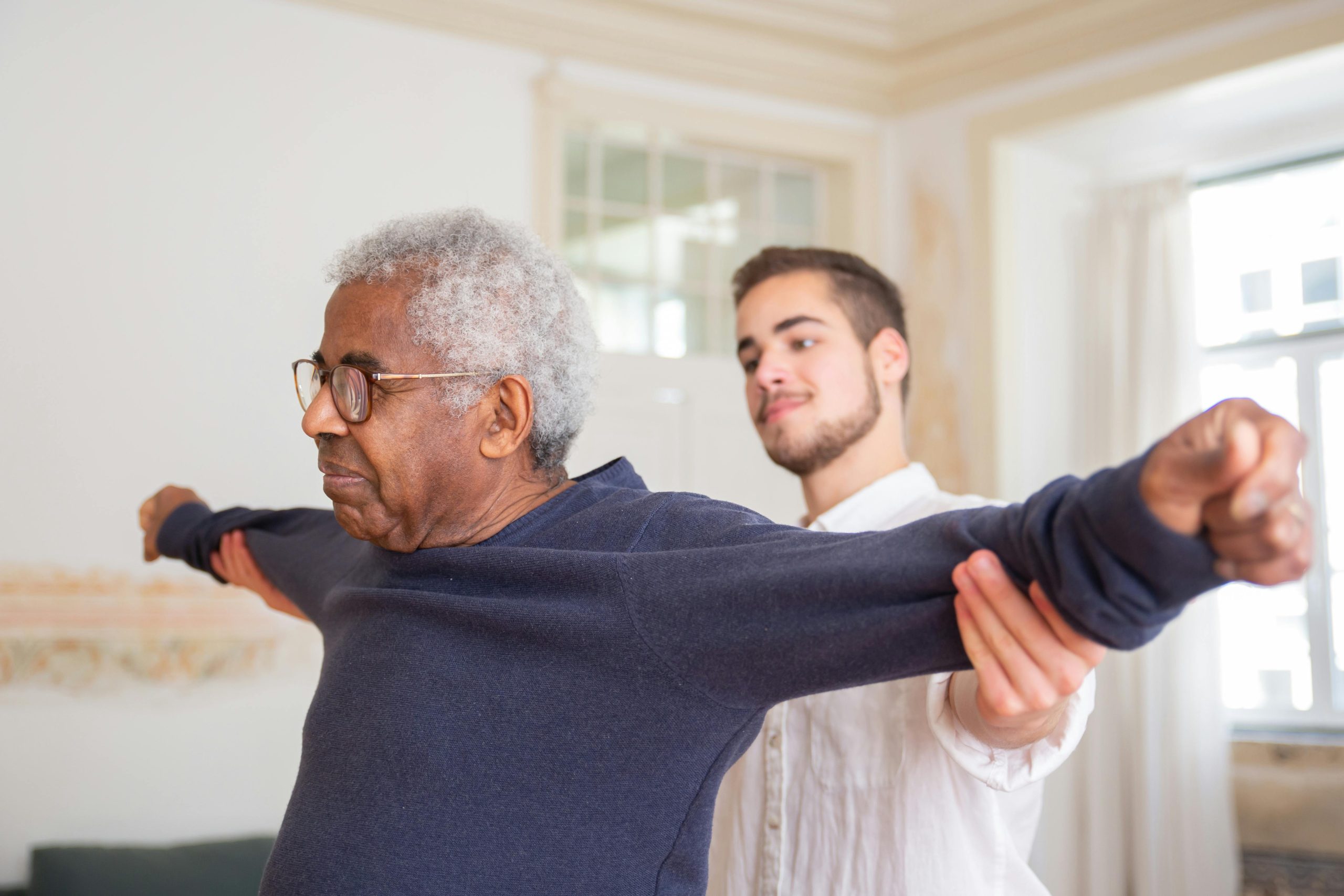
Learn how physical therapy helps brain injury survivors restore movement, balance, and independence through rehabilitation and long-term support.
Returning to work after a brain injury is a big milestone, and it works best at the right pace. How to know when you’re ready, how a graded return works, and what can help.
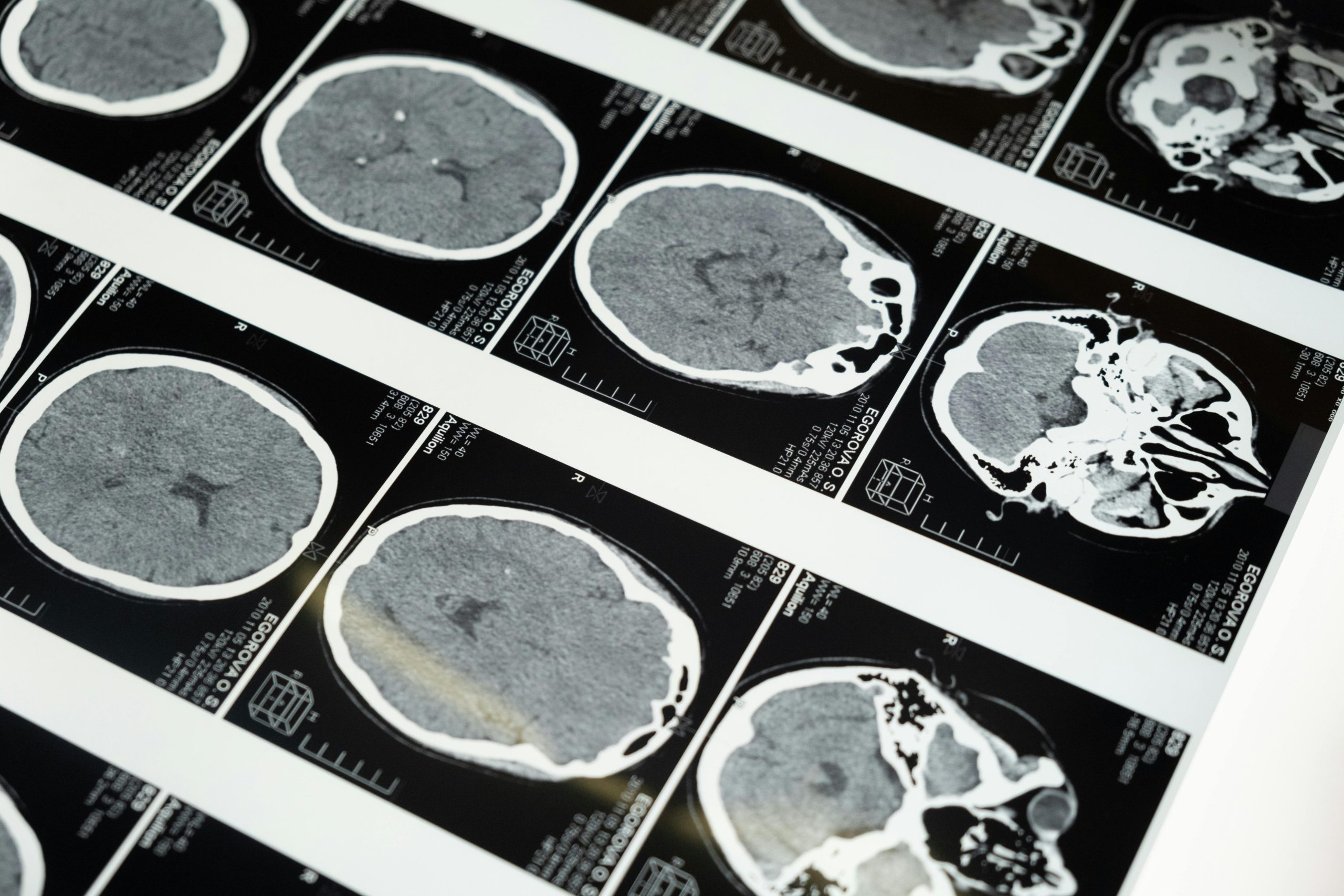
Diagnosing a brain injury is rarely a single test. Here is how the care team puts the picture together, from the bedside exam to scans and beyond.
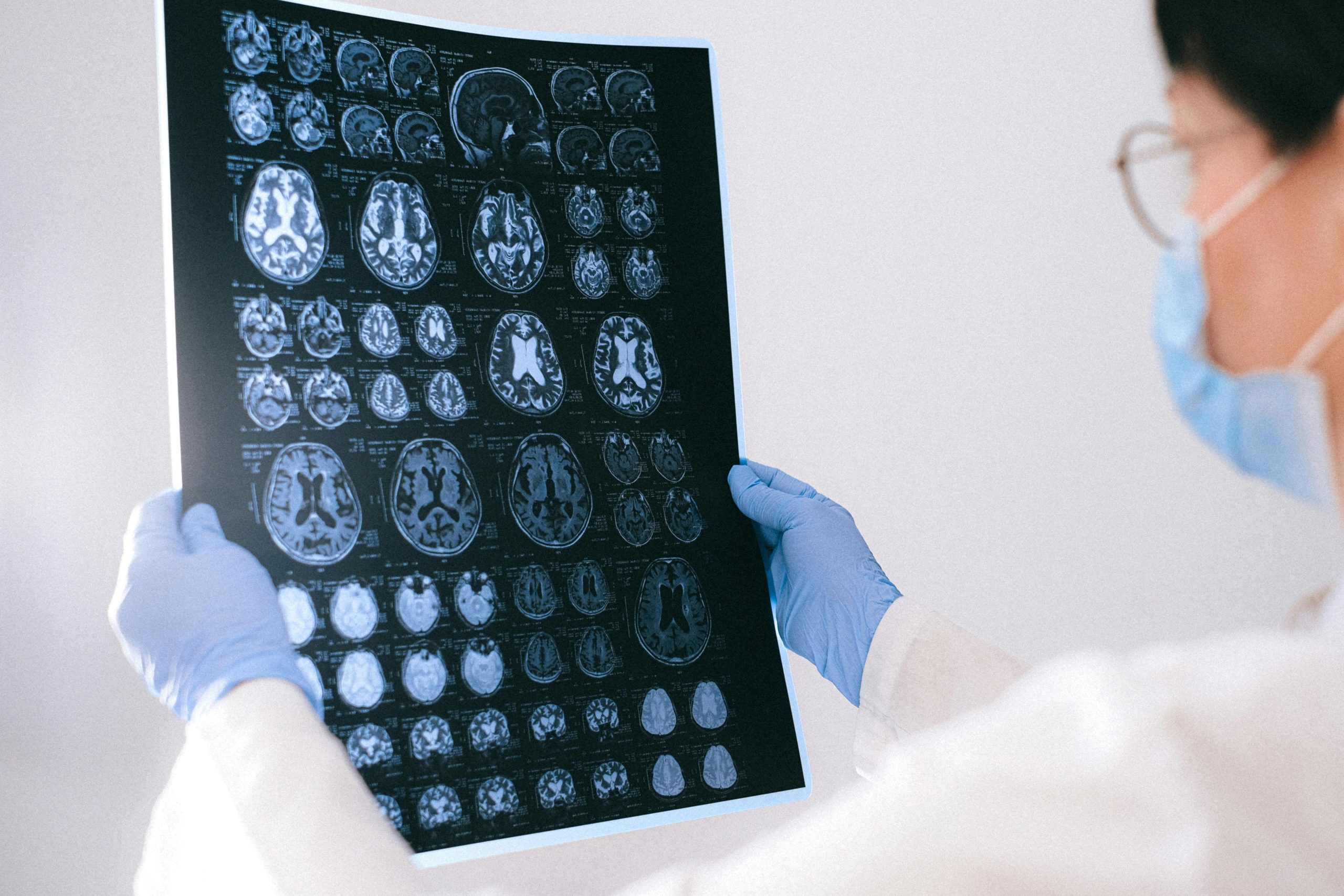
Brain injuries come in many forms, and the labels can be confusing at a frightening time. Here is a plain-language map of the main types, what the words mean, and where to read more about each.